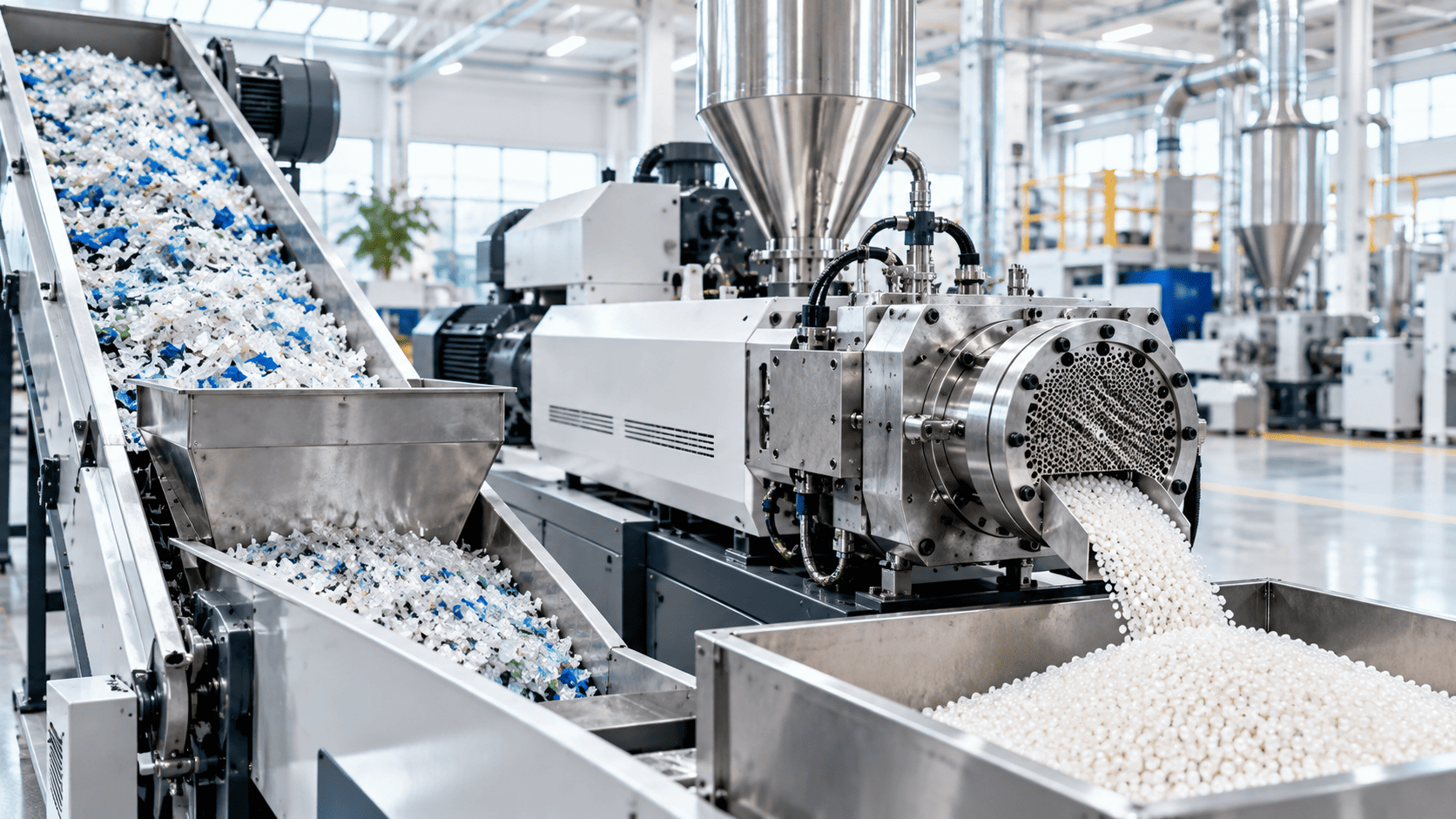
In plastic recycling investments, the targeted granule quality should be defined together with the characteristics of the material to be processed. Before evaluating melt filtration systems, the business should determine what type of waste it will process and for which applications the resulting granules will be offered.
This approach makes it possible to evaluate filter quotations according to actual production requirements rather than comparing them solely on the basis of nominal capacity.
What does melt filtration do?
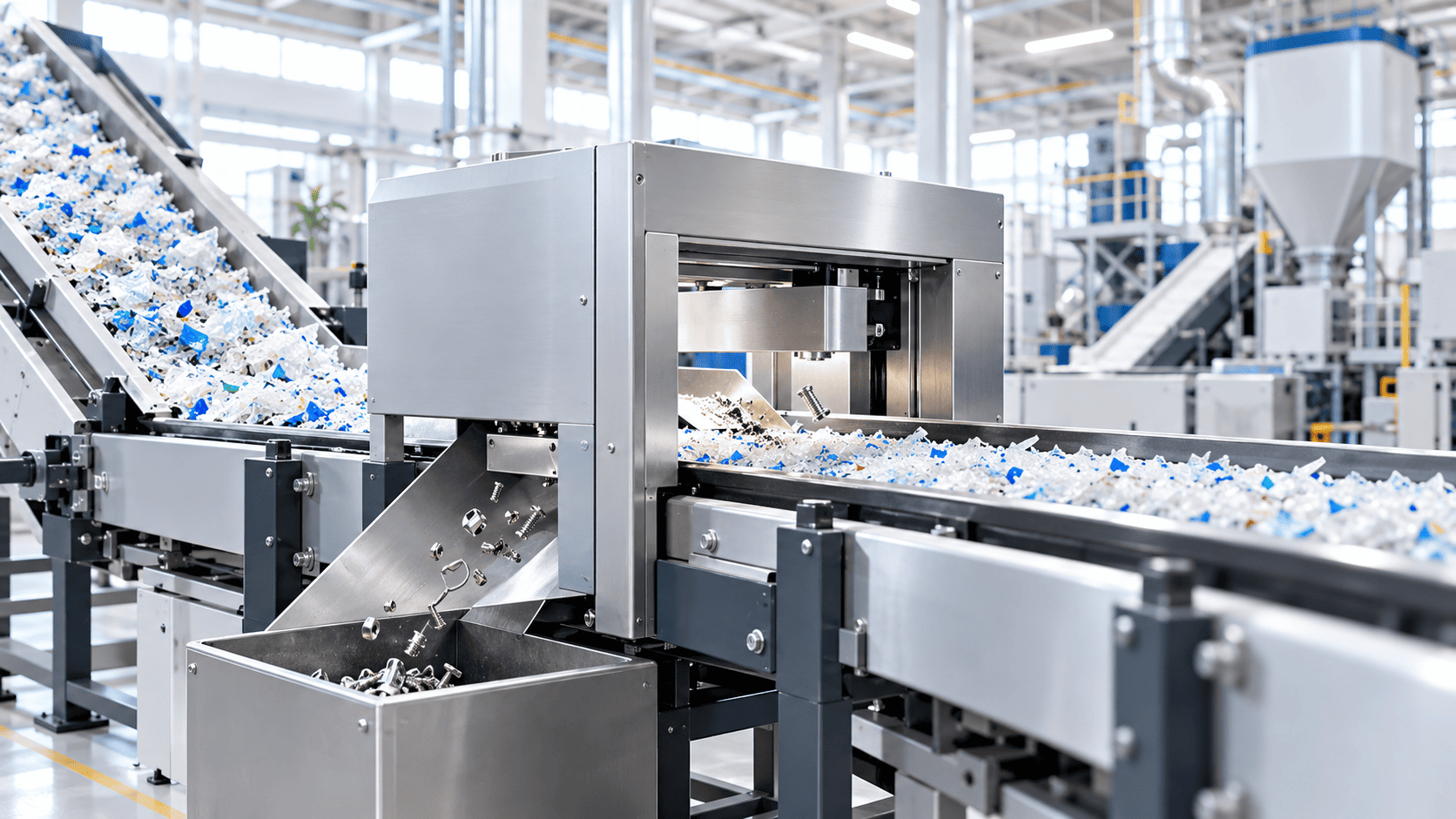
Melt filtration is used to separate contaminants that can be retained by a filter from the plastic melt. In BritAS automatic belt filter systems, the contaminated filter surface is renewed and contaminants are removed from the system. The manufacturer offers various filter configurations for different materials and process requirements.
BritAS melt filtration systems
When evaluating the suitability of a system, the material type, contamination level, and targeted production conditions should be considered together. BritAS technical data also states that capacity values depend on the material and contamination level.
BritAS technical data
What information should be prepared for filter selection?
Before requesting a quotation, prepare a short technical file containing the polymer to be processed, the source of the waste, existing quality issues, and the target capacity. Whenever possible, include a representative material sample and existing product analyses in the evaluation.
When selecting the filtration fineness, share the acceptance criteria for the final product with the supplier. Ask why the proposed filter structure was selected, under which conditions it was evaluated, and how it will be monitored during operation.
Examine filter changes and production line compatibility
The BritAS product family includes different solutions for melt buffering and continuous flow. These features vary depending on the model and configuration.
BritAS filter configurations
If you are planning an investment for an existing production line, include connection dimensions, layout, control system integration, and maintenance access in the quotation scope. Clarify how the line will operate during filter changes and which interventions will be required from the operator.
Evaluate the investment with measurable targets
Use an evaluation table based on the same material and operating conditions when comparing quotations. Include product acceptance criteria, filter consumption, maintenance requirements, and production losses in this table.
To evaluate the most suitable melt filtration solution for your recycling line, share your material type, contamination level, and capacity target with Somplast.